Pakistan’s $3.5 Billion Payment-Why Everything Could Get More Expensive Now
What is Pakistan’s $3.5 billion payment to UAE?
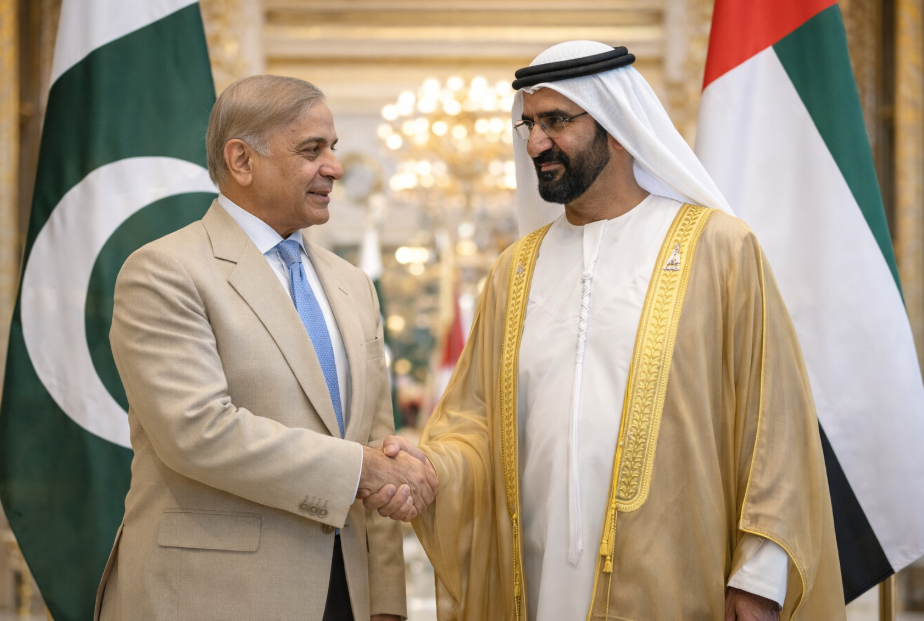
Pakistan is repaying around $3.5 billion to the United Arab Emirates as part of previously taken loans and financial support. This is not new borrowing it’s an old obligation that has now matured and must be paid back in US dollars.
Why is this payment important for Pakistan’s economy?
This payment is important because it reduces Pakistan’s foreign exchange reserves. These reserves are crucial for importing fuel, stabilizing the rupee, and maintaining economic confidence. A large outflow of dollars can increase financial pressure on the country.
How will this affect petrol prices in Pakistan?
Since Pakistan imports fuel using dollars, a decrease in dollar reserves can make fuel more expensive. This can lead to higher petrol prices, which then increase transportation costs across the country.
Will daily expenses increase because of this payment?
Yes, indirectly. When fuel prices rise, transportation costs go up, which increases the price of goods like food and groceries. This leads to higher daily expenses for the general public.
How does this impact the value of the Pakistani rupee?
When dollar reserves fall, the rupee may weaken against the US dollar. A weaker rupee makes imports more expensive, which contributes to inflation and reduces purchasing power.
What role does the IMF play in this situation?
The International Monetary Fund (IMF) is monitoring Pakistan’s economic situation closely. If reserves drop too low, the IMF may push for stricter policies such as higher taxes, increased energy prices, or tighter financial controls.
What are the possible outcomes of this repayment?
There are two main possibilities:
- Best case: UAE extends the loan, keeping reserves stable
- Worst case: Full repayment reduces reserves significantly, leading to higher inflation and economic pressure
Is Pakistan heading toward an economic crisis again?
Not necessarily. Pakistan is currently stable but under pressure. However, if reserves continue to fall and inflation rises, economic challenges could increase.
How does this payment affect ordinary people?
This payment affects people through:
- Higher petrol prices
- Increased grocery costs
- Reduced purchasing power
In simple terms, people may feel that their money is not going as far as before.
What is the simple takeaway from this situation?
When Pakistan’s dollar reserves decrease, the cost of living increases. This is why a single payment like $3.5 billion can have a wide impact on the economy and everyday life.