
US Iran War: Why the Ceasefire Just Collapsed and What Happens Next

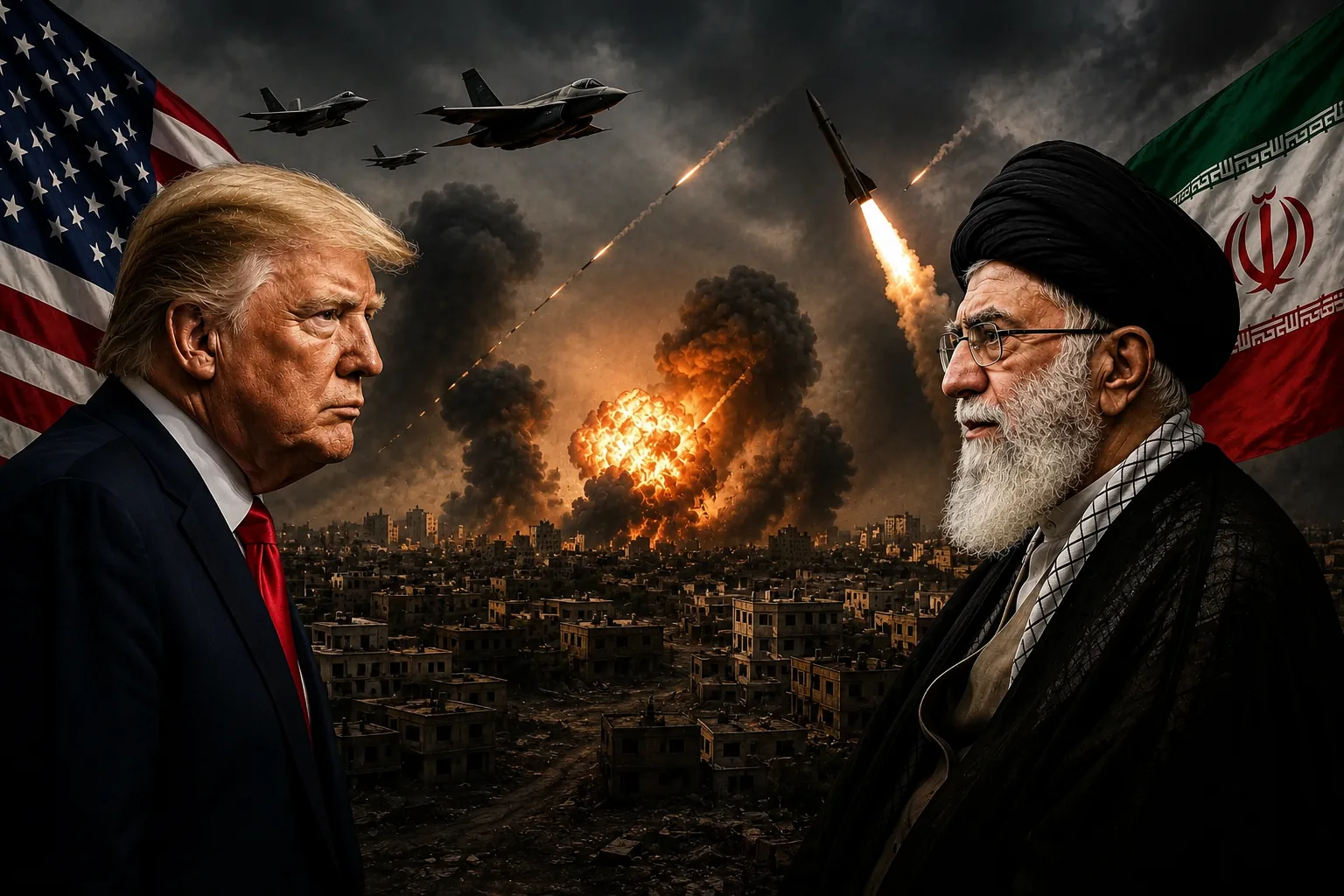
For a few weeks in June, it looked like the US Iran war was finally winding down. A 14-point memorandum, signed in Islamabad, had bought both sides a 60-day window to talk. Ships were moving through the Strait of Hormuz again. Then, within about 72 hours this week, that calm fell apart. The US carried out two consecutive nights of strikes on Iranian soil, Iran hit back at American allies across the Gulf, and President Trump stood at a NATO summit in Ankara and said the ceasefire was simply “over.”
Honestly, anyone who’s been following this conflict since February probably saw some version of this coming. Here’s how it actually unraveled, and where things stand right now.
US Iran War: Key Facts at a Glance
| Detail | Information |
| Ceasefire signed | June 17, 2026 (Islamabad Memorandum of Understanding) |
| Ceasefire window | 60 days for a final peace settlement |
| Trigger for collapse | Iranian strikes on 3 commercial tankers in the Strait of Hormuz |
| US response | Two nights of strikes, roughly 170 targets hit in total |
| Iranian retaliation | Strikes on US-linked bases in Bahrain, Kuwait, and Jordan |
| Trump’s stance | Declared the ceasefire “over,” but says he isn’t ruling out talks |
| Ongoing diplomacy | Pakistan and Qatar reportedly working to restart negotiations |
| Market impact | Oil prices up, global stocks dipped after the announcement |
How the Ceasefire Actually Broke Down
The Islamabad MoU was never built on much trust. It gave Iran 60 days of sanctions relief and a promise that the Strait of Hormuz would stay open, in exchange for winding down hostilities that had run since February. One detail was left deliberately vague, though: whether Iran could eventually charge “service fees” for ships passing through the strait. Iran read that as leverage it still held. The US read it as a red line.
Early this week, three commercial vessels came under attack in the strait. Iran didn’t officially claim responsibility, but the US and several Gulf states blamed Tehran almost immediately. Washington canceled Iran’s oil-export waiver, gutting one of the MoU’s core incentives, and CENTCOM launched strikes on more than 80 targets along Iran’s coastline.
That might have stayed contained, like the flare-ups back in April. But Iran’s Parliament Speaker accused Washington of breaching the deal outright, and the next night the US expanded its strikes to roughly 90 more targets, this time reaching inland cities including Bushehr, Bandar Abbas, and Chabahar. Iran struck back at US-linked bases in Bahrain and Kuwait, and separately hit Jordan’s Al Azraq Air Base.
What Trump Actually Said
Speaking on the sidelines of the NATO summit in Ankara, Trump didn’t leave much room for interpretation. He called Iran’s leadership “scum” and “sick people,” and said flatly, “As far as I’m concerned, it’s over.” He even floated reinstating a naval blockade and striking Iran’s electricity and water infrastructure if attacks on shipping continued.
Yet in the same breath, he softened it a little, saying he didn’t think a full return to war was likely and that he’d talk to his diplomatic team first. That whiplash, tough talk one moment, reluctance to fully walk away the next, has defined most of this conflict since February.
Is This the US Israel Iran War All Over Again?
Worth rewinding for a second. This war traces back to February 28, 2026, when the US and Israel launched nearly 900 strikes in twelve hours, killing Iran’s Supreme Leader Ali Khamenei along with dozens of other officials. Over a month of open conflict followed before the first ceasefire arrived in April, brokered largely through Pakistani mediation.
This week’s escalation hasn’t reached that scale yet. But the shape of it feels familiar: an incident at sea, retaliatory strikes, and outside mediators scrambling to pull both sides back.
What Happens Next
Diplomacy hasn’t fully stopped, even if the headlines make it look that way. Trump himself suggested talks for a lasting peace could continue even while strikes were underway, a strategy some US officials describe as striking, then pausing, deliberately, to let negotiators keep working behind the scenes, according to Al Jazeera’s coverage of the latest strikes. Regional sources have also told CNN that Pakistan and Qatar are actively trying to bring both sides back to the table.
A few things worth watching:
- Whether shipping traffic through the Strait of Hormuz, which dropped sharply again this week, actually recovers
- Any signal from Iran’s new leadership under Mojtaba Khamenei, who has remained largely out of public view since the Ali Khamenei funeral in 2026, could offer the clearest indication yet of Tehran’s next strategic direction.
- Whether the “strike and pause” pattern holds, or either side crosses a line that makes de-escalation politically impossible
For the hour-by-hour version of how this fell apart, ABC News has put together a detailed timeline worth reading alongside this piece. And since this all played out at the same NATO summit, our coverage of the Trump-Zelensky meeting in Ankara gives you the wider diplomatic picture forming around that gathering.
Do you think this ceasefire can still be salvaged, or is the region headed back to full-scale conflict? Share your view in the comments.
This is one of those stories that can shift within hours, not days, so treat today’s version as a snapshot. We’re tracking it closely and will update this piece as things develop. Last updated July 10, 2026, by the Chokus.pk Global Desk, drawing on reporting from Al Jazeera, ABC News, CNN, and the Associated Press.
Frequently Asked Questions
Is the US Iran war ceasefire officially over?
President Trump has publicly declared the ceasefire “over,” though he has also said he isn’t ruling out further talks, and mediators from Pakistan and Qatar are reportedly still working to restart negotiations.
What triggered the collapse of the ceasefire?
Attacks on three commercial tankers in the Strait of Hormuz, followed by the US revoking Iran’s oil-export waiver and launching retaliatory strikes, set off the current escalation.
How many targets has the US hit in the latest strikes?
Across two consecutive nights, US strikes reportedly hit roughly 170 targets in Iran, including air defenses, coastal radar sites, and command infrastructure.
Did Iran retaliate against the US strikes?
Yes. Iran struck US-linked bases in Bahrain and Kuwait, and separately attacked Jordan’s Al Azraq Air Base as part of what its Revolutionary Guard called a “punitive response.”
Is full-scale war likely to resume?
Trump has said he doesn’t believe a full return to war is likely, though he has also threatened further strikes on Iranian infrastructure if attacks on shipping continue.

Top 10 Best Swimming Pools for Kids in Karachi for Safe Family Fun
Fastest 4G Network in Pakistan: Which Network Comes Out on Top?