
Gilgit Baltistan Election 2026: Parties, Candidates, and Key Issues

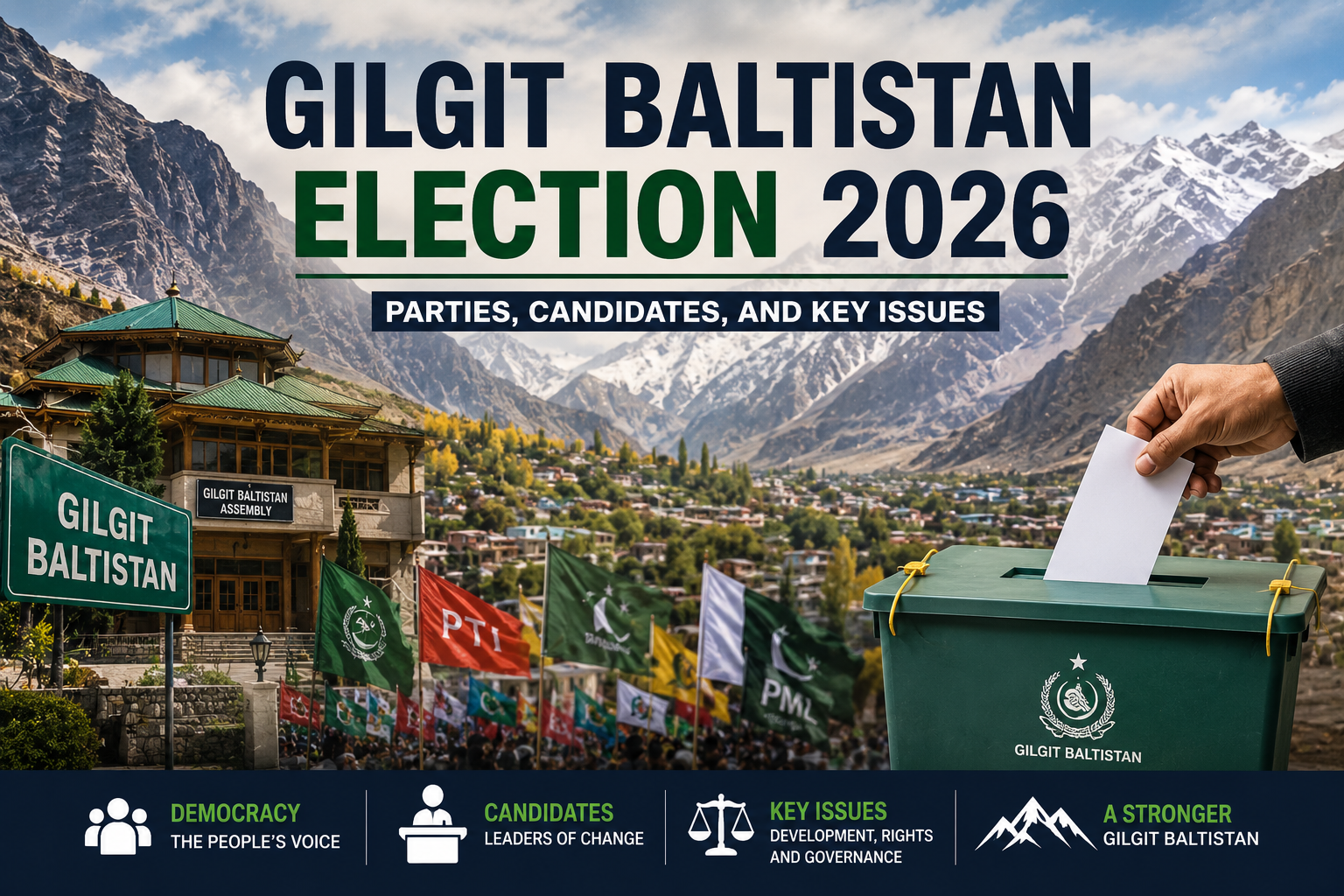
The Gilgit Baltistan Election 2026 is set to become one of the most important political events in the region. As political parties prepare their campaigns and potential candidates begin engaging with voters, public interest continues to grow. The election will not only determine the composition of the Gilgit Baltistan Assembly, but it will also shape governance, development priorities, and policy decisions for years to come.
Moreover, the election comes at a time when residents are increasingly focused on economic opportunities, infrastructure development, constitutional rights, and improved public services. As a result, political parties and candidates will face growing pressure to present practical solutions to the challenges affecting local communities.
This guide explores the major political parties, key candidates, and the most important issues expected to influence the Gilgit Baltistan Election 2026.
Why the Gilgit Baltistan Election 2026 Matters
Gilgit Baltistan holds significant strategic importance due to its geographical location, natural resources, tourism potential, and role in regional connectivity. Therefore, the outcome of the election will have a direct impact on the region’s future development.
Furthermore, voters will have an opportunity to elect representatives who can address local concerns while advocating for the interests of Gilgit Baltistan at higher levels of government.
The next government will influence decisions related to education, healthcare, tourism, infrastructure, environmental protection, and economic growth. Consequently, the election is expected to attract considerable attention from both political observers and local communities.
Understanding the Political Landscape
The political landscape of Gilgit Baltistan has evolved considerably over the past decade. National political parties continue to maintain a strong presence in the region. At the same time, regional groups and independent candidates have strengthened their influence in many constituencies.
Several political parties are expected to compete aggressively in the upcoming election. Each party will likely present a different vision for economic progress, governance reforms, public services, and constitutional rights.
As a result, voters will have multiple options when choosing candidates and evaluating policy proposals. Political competition in the region often reflects both local concerns and national political developments, making the election particularly important.
Major Parties Expected to Contest the Election
Pakistan Muslim League Nawaz
Pakistan Muslim League Nawaz is expected to focus its campaign on economic development, infrastructure projects, and public service improvements.
In addition, the party may highlight its previous governance experience and emphasize investments in roads, tourism, and energy projects. Supporters believe such initiatives can contribute to long-term economic growth across the region.
Pakistan Peoples Party
The Pakistan Peoples Party traditionally focuses on democratic governance, social welfare, and public sector development.
Furthermore, the party is likely to promote policies aimed at improving education, healthcare, and employment opportunities. Its campaign may also emphasize inclusive development and greater public participation in decision-making.
Pakistan Tehreek e Insaf
Pakistan Tehreek e Insaf remains an influential political force in Gilgit Baltistan.
The party is expected to campaign on accountability, transparency, and governance reforms. Additionally, it may promote development initiatives designed to improve public services and create economic opportunities for local communities.
Regional Parties and Independent Candidates
Regional political groups and independent candidates often play a crucial role in Gilgit Baltistan politics.
Many independent candidates enjoy strong support within their local communities. Consequently, they can significantly influence election results, particularly in closely contested constituencies.
Their campaigns typically focus on local development issues, infrastructure needs, and constituency-specific concerns.
Key Candidates to Watch
Although official candidate lists may change before election day, several experienced politicians and emerging leaders are expected to attract public attention.
Voters will likely evaluate candidates based on leadership qualities, policy proposals, public service records, and community engagement. Moreover, candidates who provide practical solutions to local challenges may gain a competitive advantage during the campaign.
Meanwhile, younger political leaders could play an increasingly important role in the election. As youth participation continues to grow, candidates who connect with younger voters may strengthen their electoral prospects.
Key Issues Shaping the Election
Constitutional Status and Political Representation
Constitutional rights and political representation remain among the most important issues in Gilgit Baltistan.
Many residents continue to seek greater clarity regarding the region’s constitutional position. Therefore, political parties are expected to present different approaches to addressing these concerns.
The issue is likely to remain at the center of public debate throughout the election campaign.
Economic Development
Economic growth is expected to be a major priority for voters.
Consequently, residents will likely demand increased investment, business opportunities, and sustainable development projects that can create jobs and improve living standards.
Political parties may propose various initiatives designed to attract investment while supporting local industries and entrepreneurs.
Tourism and Infrastructure
Gilgit Baltistan is home to some of the world’s most breathtaking mountain landscapes and tourist destinations.
Similarly, improvements in tourism infrastructure could generate substantial economic benefits for local communities. Voters are expected to closely examine plans related to roads, transportation networks, hotels, communication systems, and tourism services.
Strong infrastructure development can also support broader economic growth across the region.
Education
Access to quality education continues to be a major concern for many families.
Political parties are expected to discuss school facilities, higher education opportunities, teacher training, and educational resources. Additionally, improving educational standards can help prepare future generations for meaningful employment and economic participation.
Healthcare Services
Healthcare accessibility remains a significant challenge in several remote areas of Gilgit Baltistan.
Therefore, voters may seek commitments regarding hospitals, medical staff, emergency services, and healthcare infrastructure. Likewise, improvements in healthcare services can significantly enhance the quality of life for residents throughout the region.
Climate Change and Environmental Protection
Climate change continues to affect Gilgit Baltistan through glacier melting, changing weather patterns, and environmental risks.
However, protecting the environment while maintaining economic growth remains a complex challenge. Political parties may therefore be expected to propose practical solutions that balance development goals with environmental sustainability.
The Growing Influence of Youth Voters
Youth voters are expected to play a decisive role in the Gilgit-Baltistan Election 2026.
With increasing access to digital platforms and political information, younger citizens are becoming more engaged in public affairs. Consequently, political parties are likely to focus on issues such as education reform, employment opportunities, entrepreneurship support, and digital innovation.
Candidates who successfully address youth concerns may gain significant support across multiple constituencies.
Election Campaign Trends in 2026
Election campaigns are expected to combine traditional political outreach with modern digital communication strategies.
Public gatherings, community meetings, and direct voter engagement will remain important. Meanwhile, social media platforms will continue to influence political discussions and public opinion.
Furthermore, policy-focused campaigns may become increasingly important as voters seek detailed solutions rather than general promises.
Therefore, candidates who communicate a clear vision and maintain strong engagement with voters may gain greater visibility throughout the campaign period.
What Voters Should Consider
Before casting their vote, citizens should carefully evaluate political parties and candidates.
For example, voters may consider leadership experience, policy proposals, transparency, public service records, and commitment to local development.
In addition, understanding party platforms and comparing policy priorities can help voters make informed decisions that support the long-term interests of their communities.
Conclusion
The Gilgit Baltistan Election 2026 represents a crucial opportunity for residents to shape the future of the region. As major political parties prepare their campaigns and candidates present their visions, public attention is expected to intensify.
Moreover, several important issues, including constitutional representation, economic development, education, healthcare, tourism, infrastructure, and environmental protection, will likely dominate political discussions.
Ultimately, informed participation and active civic engagement will play a vital role in strengthening the democratic process. As election day approaches, voters will have an opportunity to influence the direction of Gilgit Baltistan and contribute to the region’s future growth and development.
Top 10 Best Swimming Pools for Kids in Karachi for Safe Family Fun
Fastest 4G Network in Pakistan: Which Network Comes Out on Top?